

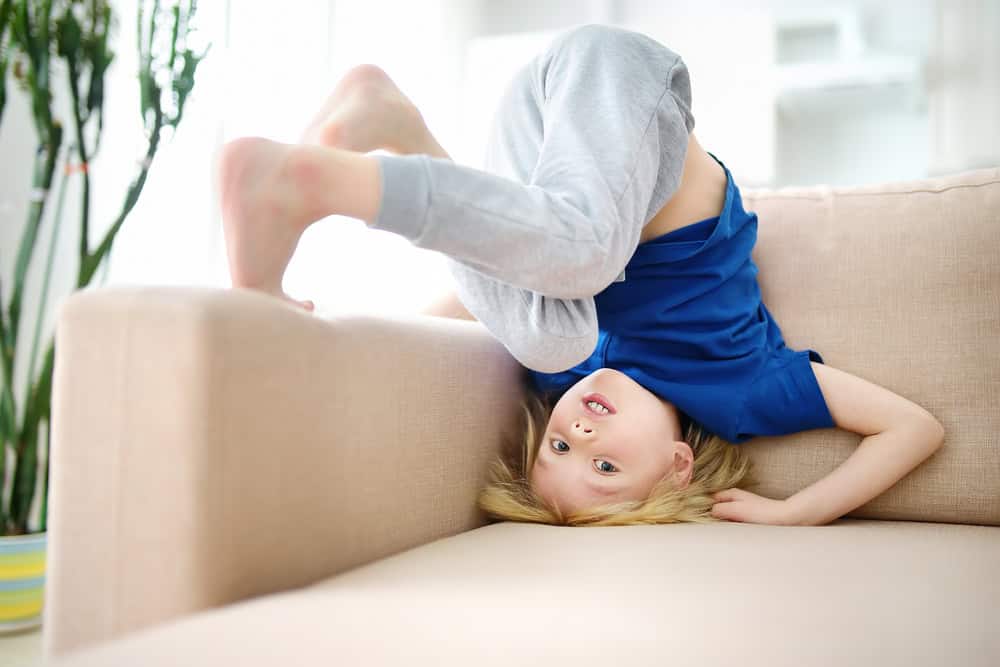
Why Boredom Is Actually Good for Kids (And Why We’ve Been Getting It Wrong)
Here’s a question for you as a parent:
When was the last time your child was truly bored?
Not frustrated because the iPad battery died.
Not “bored” while scrolling YouTube.
Not waiting in the car asking, “How much longer?”
But genuinely bored—no screen, no activity, no plan. Just sitting, wandering, thinking, fiddling… maybe even complaining.
If your answer is “almost never,” you’re not alone.
And that might be part of the problem.
We’ve Been Trained to Rescue Kids from Boredom
Somewhere along the way, boredom became something to fix.
We hand over a screen.
We schedule another activity.
We fill the silence with entertainment, enrichment, or productivity.
And it comes from a good place. We want our kids to be happy. Engaged. Learning. Thriving.
But here’s the counterintuitive truth:
Boredom is not the enemy of development.
It’s one of the most powerful tools for it.
What Actually Happens When a Child Is Bored
When kids are bored—and no one rushes in to rescue them—something fascinating happens in the brain and body.
Their nervous system shifts out of “reactive mode.”
Their brain stops consuming and starts creating.
Their body begins to organize itself internally.
This is when kids:
- Start inventing games
- Build forts out of couch cushions
- Draw, tinker, pace, hum, daydream
- Ask deeper questions
- Revisit old ideas in new ways
This isn’t laziness.
This is integration.
Boredom creates the space for a child’s brain to connect dots it can’t connect when it’s constantly stimulated.
Boredom Builds Skills We Can’t Schedule
There are certain foundational skills kids don’t develop during structured activities—even really good ones.
Boredom helps build:
- Creativity – Ideas don’t emerge on command; they emerge in the gaps
- Problem-solving – “What do I do now?” is the beginning of independent thinking
- Emotional regulation – Learning to tolerate discomfort without external fixes
- Focus and endurance – Staying with a thought long enough for it to evolve
- Body awareness – Kids move, stretch, fidget, and explore their physical space naturally
Ironically, many of the skills parents worry about—focus, attention, creativity, resilience—require downtime to grow.
Why Kids Struggle With Boredom More Than Ever
Today’s kids live in a world of constant input.
Screens.
Noise.
Schedules.
Fast-paced entertainment.
High expectations at younger and younger ages.
Their brains rarely get the chance to rest, process, or integrate.
And when that space is missing, we often see:
- Low frustration tolerance
- Difficulty initiating play
- Anxiety when things feel unstructured
- Trouble with attention and follow-through
- Kids who say, “I don’t know what to do” and genuinely mean it
That’s not a character flaw.
That’s a nervous system that hasn’t had enough practice being still.
The “Boredom Window” Is Where Growth Happens
Here’s the part that matters most:
Boredom feels uncomfortable before it becomes productive.
There’s often a messy middle:
- Complaining
- Restlessness
- Mild irritation
- Wandering aimlessly
This is the moment most adults step in.
But if you can hold the line—just a little longer—something shifts.
That’s when imagination kicks on.
That’s when self-direction emerges.
That’s when confidence quietly builds.
Your child learns:
“I can figure this out.”
What This Means for Parents (No Guilt Required)
This isn’t about removing all activities or saying no to screens forever.
It’s about intentionally protecting pockets of unstructured time.
A few gentle ideas:
- Leave small windows in the day with no plan
- Resist the urge to immediately solve “I’m bored”
- Normalize boredom: “That’s okay—your brain is working”
- Offer space before offering solutions
- Let play unfold imperfectly
You’re not being neglectful.
You’re being developmentally wise.
When Boredom Feels Hard for Your Child
Some kids struggle more than others with unstructured time—especially kids with underlying motor, sensory, or regulation challenges.
If boredom consistently turns into:
- Meltdowns
- Avoidance
- Anxiety
- Shutdown
- Or total reliance on adults for ideas
That can be a clue that their nervous system needs support—not more entertainment.
And if you ever want help understanding why boredom feels hard for your child, we’re always here to talk it through.
You can:
- Call us at 480-614-1232
- Or schedule a free discovery call at scribble2script.com/book-a-free-discovery-call/
The Bigger Picture
Boredom isn’t wasted time.
It’s the space where:
- Confidence grows
- Creativity takes root
- Regulation develops
- And kids learn who they are without constant input
In a world that’s always telling kids what to do, what to watch, and how to perform…
Boredom gives them back their own mind.
And that’s a gift worth protecting.
